




Central AC vs Ductless Mini Split: Which Is Better?
Request FREE Estimate

Once you submit, we may reach out to you via phone, email, or text to fetch information, which you can opt out of at any time. We will never share your personal information with third parties for marketing purposes. Consent is not a condition of purchase. Message/data rates apply.
Terms and Conditions | Privacy Policy
Central AC vs Ductless Mini Split: Which Is Better?
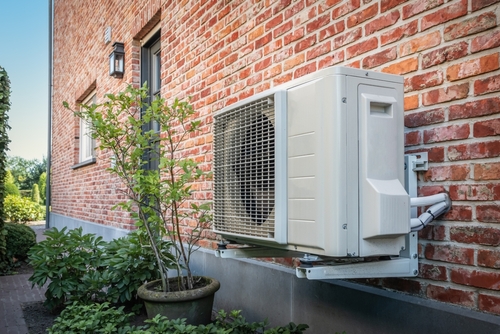
Choosing between cooling system types affects comfort plus utility bills across the next 15 plus years. Comparing central AC vs. ductless system approaches helps homeowners pick equipment matching actual home conditions rather than chasing whatever sounds better during sales pitches. Both options carry legitimate advantages depending on specific situations, including existing ductwork conditions, room layouts, budget ranges, plus humidity management priorities. Looking past surface comparisons reveals five honest factors that genuinely determine which approach reliably delivers better results for each unique Florida home facing humid summers.
Existing Ductwork Status Affects Real Decisions
Ductwork condition shapes the entire comparison dramatically across most Florida homes. Houses built between 1985 plus 2005 often have leaky ductwork running through hot attics, losing 20 to 30 percent of conditioned air into unconditioned spaces continuously. Fresh central air installations assume existing ducts work fine, when reality occasionally tells different stories during attic inspections.
Ductwork inspection priorities worth handling:
- Insulation condition checked across visible duct sections throughout attics.
- Mastic sealant verified at every joint rather than failing duct tape.
- Trunk line sizing matched against current cooling load calculations precisely.
- Return air pathways assessed for adequate sizing across larger square footage.
- Visible damage spotted including punctures, kinks, or animal intrusion signs.
Replacing ductwork alongside central equipment runs $13,000 to $19,000 across typical Florida installations, occasionally pushing ductless setups toward genuine financial competitiveness across direct comparisons.
Room Layouts Matter More Than Folks Realize
Open floor plans favor central air dramatically since single air handlers cool large connected spaces uniformly throughout busy households. Compartmentalized layouts featuring multiple bedrooms, home offices, plus distinct living zones swing toward ductless solutions delivering true room by room temperature control. Layout details deserve serious attention before deciding either way.
Layout considerations driving honest decisions:
- Open floor plans rewarding central air through even temperature distribution.
- Closed bedroom layouts benefiting from zone control ductless setups provide.
- Home offices needing dedicated comfort during work from home schedules.
- Sunrooms or additions lacking original ductwork connections noticeably.
- Multi story homes where upstairs bedrooms run hotter than downstairs zones.
Honest contractor walkthroughs flag layout issues during initial visits rather than recommending universal solutions ignoring specific home conditions.
Total Ownership Costs Across 15 Year Spans
Examining the real pros and cons of central air vs mini split decisions requires looking beyond installation prices toward total 15 year ownership costs. Central air systems typically cost less upfront across whole-house installations, while mini-splits dominate partial installations covering specific problem rooms. Operating costs swing differently across both system types based on efficiency ratings plus runtime patterns.
Cost factors stretching across decades:
- Central air installations averaging $7,500 to $14,000 across Florida homes.
- Whole house ductless setups hitting $12,000 to $22,000 across multi zone installs.
- Federal tax credits trimming $2,000 across qualifying high efficiency installations.
- Operating cost differences averaging $200 to $500 yearly between system types.
- Maintenance expenses landing similar across both approaches throughout each year.
Comparing both upfront plus long term costs prevents falling into traps where cheaper installations become expensive equipment owners regret across decades.
Aesthetic Considerations Affecting Final Choices
Indoor wall-mounted ductless units bother some folks visually, while others barely notice mounted units after installation completes. Modern ductless designs improved noticeably through 2025 plus 2026, with sleeker profiles, recessed cassette options, plus matte finishes blending into walls way better than older boxy designs. Visual preferences matter genuinely during decision-making conversations.
Aesthetic options worth understanding:
- Wall mounted units offering cheapest installation plus simplest service access.
- Ceiling cassette units recessed flush across drop ceiling installations cleanly.
- Floor standing units fitting under windows or against shorter wall sections.
- Concealed duct units hiding behind drop ceilings or interior soffits cleverly.
- Color matched options blending into specific paint schemes across living areas.
Concealed installations cost $500 to $1,500 extra per zone, but visual benefits matter genuinely across formal spaces homeowners actually see daily.
Florida Climate Realities Affecting Equipment Choices
Florida humidity, salt corrosion across coastal zones, plus brutal August runtime hours, wear cooling equipment dramatically harder than dry climate installations nationwide. Central systems handle whole-house dehumidification effectively when sized correctly, while ductless setups occasionally struggle with humidity across larger homes featuring multiple disconnected zones running independently. Specific equipment features matter more than brand reputation alone.
Climate driven features worth requesting:
- Variable speed compressors handling humidity through longer slower cycles.
- Marine grade outdoor coatings resisting salt corrosion across coastal installations.
- Higher SEER2 ratings translating into lower August utility bills reliably.
- Heat pump capability handling rare cold snaps without backup heat strips.
- Smart thermostat integration tracking humidity alongside temperature readings.
Coastal properties especially benefit from corrosion-resistant equipment, regardless of which cooling approach is finally picked during decision-making conversations.
Both central air plus ductless mini splits work beautifully across specific scenarios rather than universally beating each other automatically. Ductwork conditions, room layouts, total ownership budgets, aesthetic preferences, plus Florida specific climate factors all swing decisions one direction or the other depending on individual home situations.
Anyone facing this choice should answer those five factors honestly before signing contracts, since wrong picks lead to 15 plus years of regret nobody wants experiencing. Asking contractors detailed questions about each factor reveals which approach genuinely fits specific homes rather than which option pads contractor commissions better.
Stuck between cooling system options? Call us at Comfortly Air Conditioning at 561-786-8622 today for honest comparisons matching your specific home conditions!
Local HVAC FAQs Expert Answers, Local Insights
How much does whole-house ductless installation cost across Delray Beach, FL?
Whole house ductless installations across Delray Beach, FL, typically run $14,000 to $22,000, depending on zone count plus tonnage requirements. Federal tax credits available during 2026 drop out-of-pocket totals by $2,000 across qualifying high-efficiency installations, making ductless competitive against central air across plenty of installation scenarios.
Do central AC systems handle humidity better than ductless across Boynton Beach, FL?
Central air systems across Boynton Beach, FL, typically handle whole-house humidity slightly better than multi-zone ductless setups, thanks to centralized return airflow. Modern variable-speed ductless units have closed that performance gap significantly during recent years, though larger homes still occasionally benefit from central systems handling dehumidification uniformly.
Which cooling system lasts longer across Westlake, FL, homes?
Both systems typically last 12 to 18 years across Westlake, FL, properties when maintained correctly throughout each cooling season. Ductless inverter compressors occasionally stretch closer to 20 years thanks to gentler runtime cycles, while central air systems benefit from simpler maintenance plus easier component replacement patterns across decades.
Customer Reviews
Reliable AC Repair in Palm Beach County, FL

Get Started with Comfortly Air Conditioning
Stay cool and breathe better with expert air conditioning and indoor air quality solutions. Schedule your consultation today.