




Best AC Settings for Florida Summers to Save Energy
Request FREE Estimate

Once you submit, we may reach out to you via phone, email, or text to fetch information, which you can opt out of at any time. We will never share your personal information with third parties for marketing purposes. Consent is not a condition of purchase. Message/data rates apply.
Terms and Conditions | Privacy Policy
Best AC Settings for Florida Summers to Save Energy
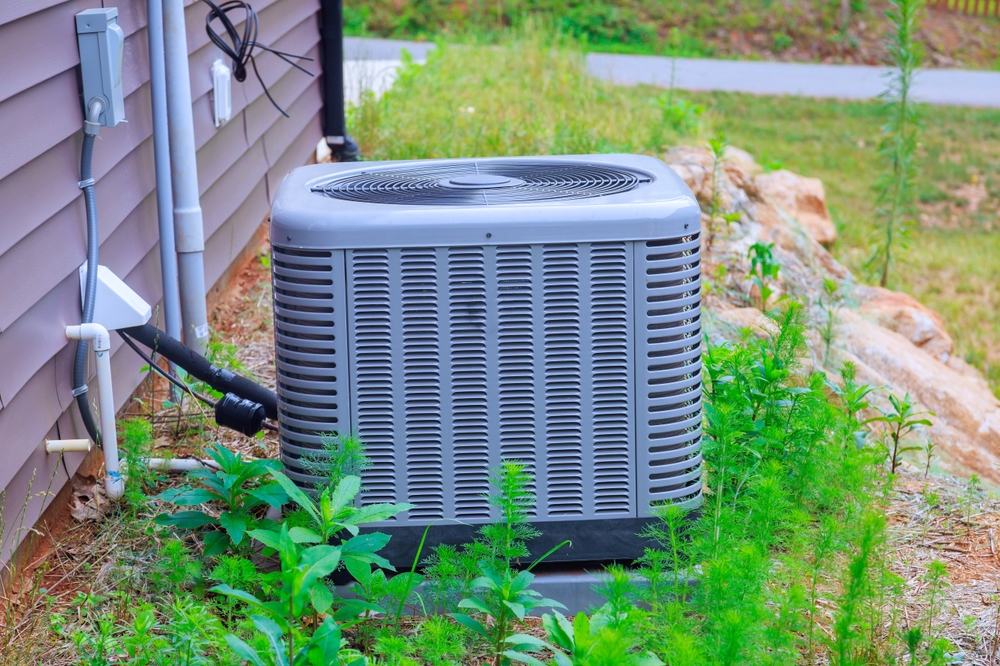
Anyone who’s opened an FPL bill during August knows that particular flavor of dread. The number looks wrong. The amount cooled feels normal. Somewhere between those two facts sits the best AC settings for Florida summers’ demands, and almost nobody dials them in correctly. Cooling systems chew through electricity differently depending on how thermostats get programmed against humidity, time of day, plus how often anyone bothers paying attention to settings nobody touched since installation day.
Temperature Targets That Match Time Of Day
There’s a real math problem buried inside thermostat decisions, and most folks ignore it entirely. Setting one cold number for the whole day burns money during hours nobody’s home, while cranking warmer settings during peak FPL rate windows from 4 to 7 p.m. saves serious cash. Department of Energy figures published in 2025 still hold up: every degree above 72 trims roughly 3 percent off monthly cooling costs.
Daily temperature shifts:
- 73 degrees as the pre cool target right before 4 p.m. peak rates hit.
- 78 degrees from 4 to 7 p.m. when FPL charges peak window pricing.
- 74 degrees overnight when off peak rates drop electricity costs again.
- 76 degrees daytime baseline when households actually sit at home occupied.
- 82 degrees vacation hold during travel windows protecting equipment quietly.
Stack those four or five shifts together, and August bills drop noticeably, sometimes between $80 and $130 monthly depending on home size.
Humidity Quietly Drives Comfort More Than Temperature
Florida humidity ruins thermostat math. Stepping into a 76 degree room with 65 percent humidity feels muggy enough that people instinctively drop the setting, then watch electricity bills climb without any real comfort improvement. The fix has nothing to do with temperature. Hitting 45 to 50 percent indoor relative humidity transforms how a room actually feels, letting thermostats sit higher without anyone noticing.
What changes when humidity gets handled:
- Same 76 degree reading feeling 4 degrees cooler against skin noticeably.
- Mold growth slowing across bathrooms plus laundry areas naturally.
- Wood floors stopping their seasonal swelling plus contracting cycles.
- Bedrooms feeling sleepable without crushing AC down to 68 degrees overnight.
- Indoor air quality improving since dust mites die back below 50 percent.
Whole house dehumidifiers run $1,800 to $3,500 installed but separate that humidity job entirely from the cooling system, slashing actual electricity consumption.
Smart Thermostat Features Almost Nobody Uses
Walking through honest energy-saving AC settings for Florida households actually benefit from quickly reveals how many features sit dormant inside existing smart thermostats. Folks spent $200 on an Ecobee or Nest then never opened the app past initial setup. That’s the equivalent of buying a sports car and only driving in first gear forever. Most platforms include legitimately useful tools that take 20 minutes learning properly.
Features genuinely worth turning on:
- Geofencing detecting when phones leave home, bumping temps automatically.
- Learning algorithms studying daily routines plus optimizing schedules quietly.
- Weather integration pre cooling homes before hot afternoons hit dangerously.
- Multi room sensors averaging temperatures across actual occupied spaces.
- FPL rate integration matching cycles against time of use pricing windows.
Half an hour of reading documentation pays back over the years through automation nobody thinks about consciously after the initial setup wraps up.
Ceiling Fans Doing Way More Than People Credit
Plenty of households install ceiling fans and then forget they exist. That’s a missed opportunity. Air moving across skin produces evaporative cooling that lets thermostats sit 4 degrees higher without comfort changing whatsoever. Florida residents skipping ceiling fans essentially pay AC systems to do work that fans could handle for pennies per hour.
Where fans earn their keep specifically:
- Bedrooms running 24/7 during sleep hours dropping nighttime cooling demands.
- Home offices keeping workers focused without overcooling entire homes wastefully.
- Living rooms paired with cooling cycles during evening television hours.
- Outdoor lanais letting patio time happen during 90 degree humid afternoons.
- Kitchens managing cooking heat without forcing AC compressors working harder.
Installing four ceiling fans across high traffic rooms runs roughly $600 plus electrician fees, returning savings inside 18 months easily.
Vacation Programming That Protects Homes Smartly
Florida travelers face a unique problem nobody talks about. Setting thermostats too high during summer vacations invites mold colonies, swollen wood doors, plus pest infestations across humid weeks nobody’s there checking. Setting them too low burns electricity while protecting a home nobody’s living inside. There’s a sweet spot between those extremes that protects equipment, prevents damage, plus respects electricity bills.
Vacation settings worth dialing in:
- Temperature held between 80 and 82 degrees across summer travel windows.
- Humidity capped at 55 percent maximum preventing mold colonies developing.
- Smart notifications enabled flagging issues like compressor failures remotely.
- Pool pumps reduced to 4 hour cycles instead of normal 10 hour runtime.
- Sprinkler controllers paused if rainfall covers landscape watering naturally.
Coming home to 82 degrees lets cooling systems restore comfort within 90 minutes rather than struggling against 95 degree house temperatures requiring full hours.
That $387 FPL bill from the opening paragraph doesn’t have to happen again next August. Combine smarter thermostat scheduling against time of use rates with serious humidity attention plus a couple of cheap ceiling fans, and the math shifts noticeably. Anyone tired of staring at scary utility bills should pick two or three changes from above this week, then track results across two billing cycles. Real comfort comes from doing things in the right order, not from cranking numbers lower, hoping electricity meters somehow miss the difference.
Bills climbing despite cranking thermostats lower? Call us at Comfortly Air Conditioning at 561-786-8622 today for smart thermostat installs done right!
Local HVAC FAQs Expert Answers, Local Insights
What's the ideal AC temperature setting across Boca Raton, FL, during summer?
Most households across Boca Raton, FL, find 76 to 78 degrees daytime balances comfort against utility bills nicely during summer months. Bumping settings up 2 degrees during peak FPL rate windows from 4 p.m. to 7 p.m. saves additional 15 percent monthly without major comfort sacrifices typically.
How much do smart thermostats save across Westlake, FL, homes annually?
Smart thermostats across Westlake, FL, homes typically save $200 to $450 yearly through automated optimization plus geofencing features. Combined with proper humidity programming plus FPL rate integration, total savings occasionally reach $600 annually across larger households running cooling heavily during summer months reliably.
How often should AC filters get swapped during summer across Wellington, FL?
Pleated air filters across Wellington, FL, homes typically benefit from swaps every 30 days during peak summer runtime months. Households with pets or smokers occasionally need 21 day cycles, since dirty filters dramatically reduce cooling efficiency forcing systems running longer than necessary across busy afternoons consistently.
Customer Reviews
Reliable AC Repair in Palm Beach County, FL

Get Started with Comfortly Air Conditioning
Stay cool and breathe better with expert air conditioning and indoor air quality solutions. Schedule your consultation today.