




Central AC vs. Heat Pump: Choosing the Right Cooling System
Request FREE Estimate

Once you submit, we may reach out to you via phone, email, or text to fetch information, which you can opt out of at any time. We will never share your personal information with third parties for marketing purposes. Consent is not a condition of purchase. Message/data rates apply.
Terms and Conditions | Privacy Policy
Central AC vs. Heat Pump: Choosing the Right Cooling System
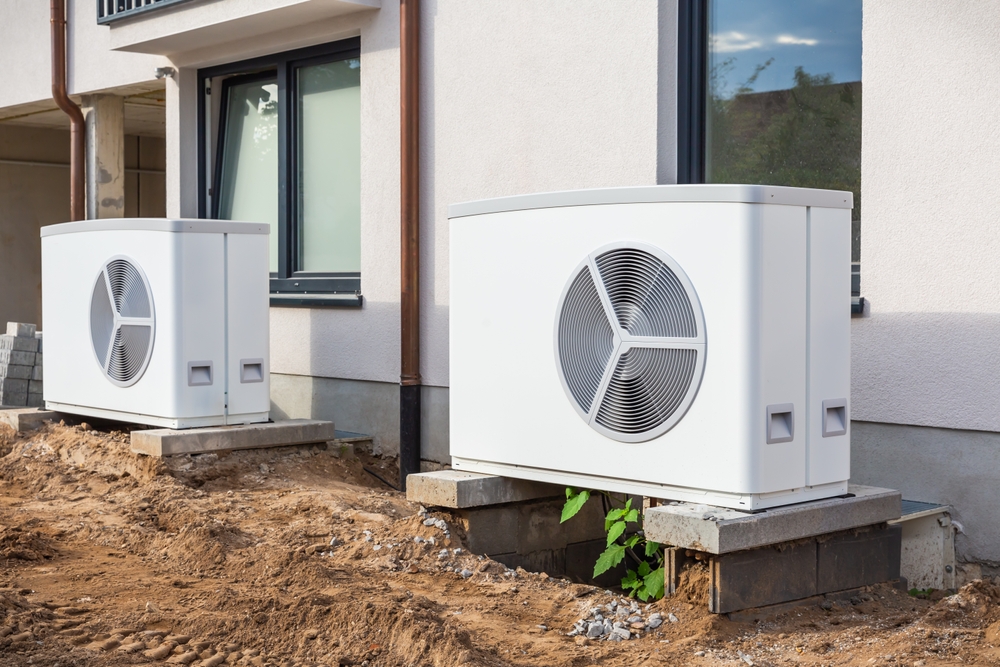
Florida homeowners rarely think twice about what’s actually cooling their house until the old unit finally quits and a decision has to get made fast. That’s usually the exact moment choosing a new air conditioner turns into a bigger question than expected, since the choice isn’t just between brands anymore, it’s between two structurally different types of equipment. Central air conditioners and heat pumps share a lot of the same components, the compressor, the coils, the refrigerant lines, but they solve different problems in different climates. In South Florida, where heating demand is minimal most of the year, that distinction matters less than it would somewhere with real winters, though it still affects upfront cost, efficiency, and what happens on the rare chilly night. Getting this decision right the first time saves a lot of second guessing once the new system’s already installed. Swapping one for the other later means tearing into wiring and ductwork that was never meant to be touched again so soon.
1. What Separates These Two Systems at a Mechanical Level
A central air conditioner only moves heat in one direction, pulling it out of the house and releasing it outside, full stop. A heat pump does the exact same thing during summer, but contains a reversing valve that lets it run the cycle backward during winter, pulling heat from outside air and moving it indoors instead. That reversing valve is really the entire difference mechanically speaking, everything else, the compressor, the coils, the basic refrigeration cycle, works identically in both systems. In a climate like South Florida’s, where meaningful heating demand happens maybe a handful of weeks a year, that reversing capability gets used far less than it would somewhere colder. Some homeowners here end up paying for heating capability they’ll barely touch, which is worth factoring into the decision.
2. What the Installation Itself Actually Involves
Air Conditioner Installation in West Palm Beach, FL looks nearly identical for either system type, since both use the same basic components, outdoor condenser, indoor air handler or furnace pairing, refrigerant lines connecting the two. A heat pump installation sometimes requires additional electrical work if backup resistance heat strips get added for the rare cold snap, since those strips draw considerably more power than the compressor alone. Ductwork requirements stay the same either way, assuming the existing ducts are in decent condition and sized appropriately for the new equipment. The bigger installation variable tends to be whether the existing electrical panel can handle a heat pump’s backup heat strips without an upgrade, something worth checking before assuming either system installs identically.
3.Where Heat Pumps Pull Ahead and Where They Don't
Heat pumps pull ahead specifically when heating is part of the equation at all, since a single system handling both jobs avoids the cost and space of installing a separate furnace. HVAC Installation Services quoting heat pumps for South Florida homes usually frame the winter benefit plainly, modest, since a heat pump here mostly just avoids the rare need for a portable heater on an unusually cold night. Central air conditioners, paired with a small furnace or nothing at all for heating, tend to cost somewhat less upfront specifically because they’re not built to run the cycle in reverse. Where heat pumps actually win in this climate is efficiency during shoulder season, spring and fall days when a small amount of either heating or cooling keeps a house comfortable without much energy.
4. Upfront Cost Versus What You'll Pay Over Time
A New AC System Installation quote for a heat pump typically runs a bit higher than an equivalent central air system, mainly because of the added reversing valve and sometimes the backup heat strip wiring. That gap in upfront cost narrows somewhat once rebates and tax incentives specific to heat pumps get factored in, since efficient heat pumps often qualify for programs a straight AC system doesn’t. Monthly operating costs depend heavily on how the system gets used. In a climate that barely uses the heating side, a heat pump’s extra capability doesn’t translate into much extra value beyond peace of mind. Running the actual numbers over a ten year horizon, rather than just comparing sticker prices, usually gives a clearer picture than either option looks like at first glance.
5. Matching the System to the House You Actually Have
Residential AC Installation decisions should start with the specific house rather than a general preference for one system type over another. A smaller condo or townhouse with minimal heating needs and tight installation space sometimes favors a straightforward central AC system with a small backup heater if one’s needed at all. A larger single family home, especially one already wired for a heat pump or planning solar in the near future, often gets more long term value from the heat pump’s dual capability. Existing ductwork condition, electrical panel capacity, and how long the household plans to stay in the home all factor into which system actually makes sense. Neither system is a wrong choice in this climate. The right one just depends on specifics most people don’t think to ask about until someone brings them up. A contractor willing to walk through those specifics plainly is worth more here than one quoting whichever unit sits in stock.
Conclusion
Central air conditioners and heat pumps solve the cooling problem identically, and the real difference only shows up on the rare occasions this climate actually needs heat. That narrower gap in South Florida changes the calculation compared to colder regions, where the choice matters a lot more. Comfortly Air Conditioning walks West Palm Beach homeowners through the specific tradeoffs for their house rather than pushing whichever system happens to be easier to quote that day. Getting matched to the right system the first time avoids paying for capability that never gets used or missing out on efficiency that would have made a real difference. The best system is the one sized and selected for the actual house, not a generic recommendation that ignores it.
Weighing a heat pump against central AC? Comfortly Air Conditioning can help. Call 561-786-8622.
Local HVAC FAQs Expert Answers, Local Insights
Q1: Is a heat pump worth it in West Palm Beach, FL?
It can be, mainly for the efficiency gains during mild shoulder season weather, though the heating benefit matters less here than in colder climates.
Q2: How much does central AC installation cost in West Palm Beach, Florida?
Costs vary by system size and ductwork condition, but central AC installations typically run somewhat less upfront than an equivalent heat pump system.
Q3: Do heat pumps work well in Florida's climate in West Palm Beach, FL?
Yes, since heat pumps handle cooling identically to a standard AC system, and the heating side rarely gets tested given how mild winters are in this area.
Customer Reviews
Reliable AC Repair in Palm Beach County, FL
Get Started with Comfortly Air Conditioning
Stay cool and breathe better with expert air conditioning and indoor air quality solutions. Schedule your consultation today.