




Why Your AC Is Running but Not Cooling Properly
Request FREE Estimate

Once you submit, we may reach out to you via phone, email, or text to fetch information, which you can opt out of at any time. We will never share your personal information with third parties for marketing purposes. Consent is not a condition of purchase. Message/data rates apply.
Terms and Conditions | Privacy Policy
Why Your AC Is Running but Not Cooling Properly
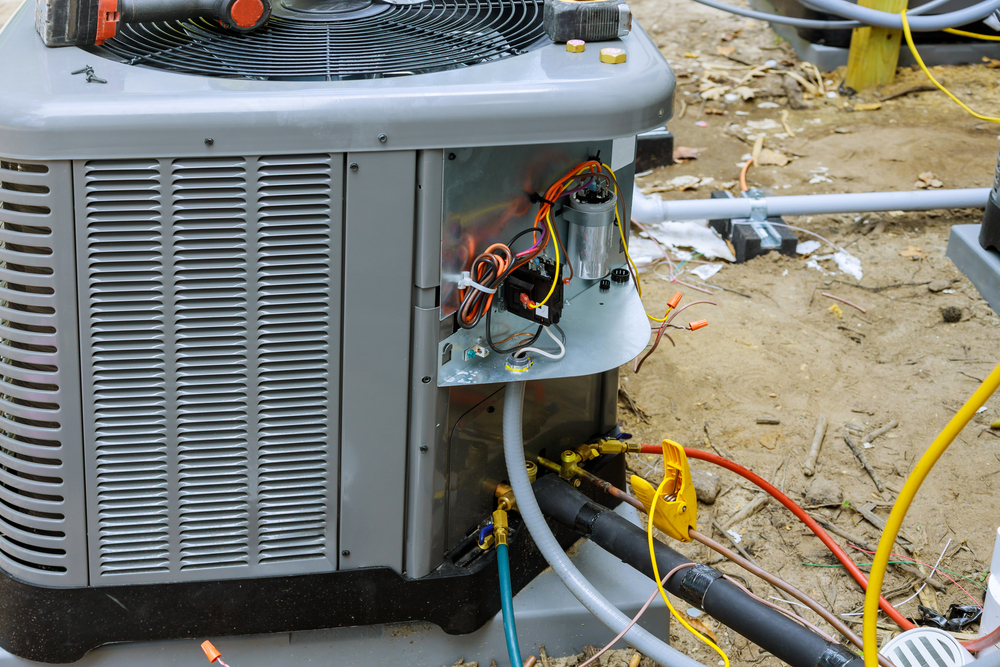
That moment when systems sound perfectly normal yet rooms feel warmer than thermostat readings suggest catches plenty of homeowners completely off guard. Figuring out why the AC is running but not cooling correctly helps folks pinpoint specific failures rather than assuming worst case scenarios involving total system replacement projects. Sometimes the issue traces back to simple maintenance lapses, while other times serious component failures lurk behind seemingly normal operation patterns. Quick investigation surfaces actual root causes letting homeowners decide between DIY fixes versus calling licensed technicians handling complex repair work safely.
Refrigerant Levels Dropping Below Operating Specs
Systems running fully while delivering weak cooling almost always involve refrigerant trouble somewhere across closed pressure loops. Small pinhole leaks slowly drain refrigerant across months without obvious warning signs until cooling capacity drops noticeably during peak heat waves. Florida coastal homes face leaks more frequently thanks to salt corrosion pitting copper line surfaces, especially across installations past 8 years old.
Refrigerant trouble warning signs worth watching:
- Vents blowing slightly cool air instead of properly cold temperatures.
- Hissing sounds near refrigerant lines indicating active leak locations.
- Ice forming along outdoor copper line connections during operation.
- Higher utility bills despite normal weather patterns across recent weeks.
- Cooling cycles running longer without reaching thermostat set points.
Topping off refrigerant without locating actual leak sites wastes money, since leaks always continue draining systems empty within months again afterward.
Frozen Evaporator Coils Blocking Airflow
Evaporator coils icing over completely shut down cooling output despite systems running at full power across busy households. Florida humidity speeds up ice formation when airflow drops below proper operating ranges, freezing condensation forming across cold coil surfaces. Most homeowners spot frozen coils only after vents go warm, when ice already covers entire indoor evaporator assemblies completely solid.
Frozen coil causes worth identifying fast:
- Dirty air filters choking airflow across evaporator surfaces completely.
- Closed supply vents starving rooms while overworking remaining airflow paths.
- Failed blower motors spinning slower than designed operating speeds.
- Low refrigerant levels causing improper temperature differentials across coils.
- Dirty evaporator coils insulating against proper heat transfer efficiency.
Shutting systems off for 4 to 6 hours allows complete ice melting, then swapping filters typically restores normal cooling output the same afternoon nicely.
Outdoor Condenser Issues Sabotaging Heat Dumping
Outdoor units handle the critical job of dumping heat collected indoors into outside air across hot afternoons. Once condensers struggle, vents quickly start blowing room temperature air since collected indoor heat has nowhere to escape effectively. Plenty of outdoor unit problems stem from simple debris blockages homeowners spot during quick walkarounds taking under 5 minutes total time investment.
Common condenser problems hampering cooling:
- Debris blocking condenser coils preventing efficient heat transfer outside.
- Failing capacitors keeping fans from spinning during compressor cycles.
- Tripped breakers cutting power to outdoor units randomly mid afternoon.
- Failed contactors preventing outdoor units from kicking on properly.
- Frozen outdoor coils thanks to severely low refrigerant charge levels.
Spending 5 minutes outside investigating before booking service calls surfaces simple issues phone descriptions cannot diagnose remotely from across town.
Ductwork Leaks Wasting Cooled Air
Pondering an air conditioner not cooling properly often overlooks ductwork that quietly leaks cooled air into unconditioned spaces across attics, crawl spaces, plus interior walls. Florida homes typically lose 20 to 30 percent of conditioned airflow through duct leaks across average installations. Sealing those leaks dramatically improves cooling performance without requiring expensive equipment upgrades that contractors push during diagnostic visits.
Duct leak symptoms worth investigating carefully:
- Uneven cooling across rooms despite full thermostat demand cycles.
- Visible dust patterns around vent registers indicating bypass airflow.
- Attic insulation dirty around duct runs suggesting air infiltration.
- Higher utility bills despite cooling systems running normal duration.
- Hot spots persisting across specific rooms regardless of thermostat settings.
Duct sealing services run $400 to $1,500 across typical Florida installations, paying back across utility savings within 2 to 4 summer cooling seasons.
Compressor Performance Quietly Degrading
Compressors handle the heaviest cooling work across systems, gradually losing efficiency as internal valves wear, motor windings age, plus refrigerant levels affect operational performance. Sometimes compressors run continuously while delivering marginal cooling output, slowly burning electricity without achieving proper cooling cycles. Catching compressor degradation early matters since complete failures cost $1,500 to $2,800 across replacement scenarios.
Compressor degradation symptoms worth catching early:
- Long cooling cycles failing to reach thermostat target temperatures consistently.
- Higher amp draw measurements during professional service inspections.
- Hard starting symptoms requiring multiple cycle attempts during operation.
- Burning smells coming from outdoor units during heavy load periods.
- Increased operational noise compared to original installation baseline levels.
Booking professional diagnostic visits before compressors completely fail prevents emergency replacement scenarios costing way more than scheduled repair work during slower seasons.
Cooling systems running normally while delivering inadequate output trace back to refrigerant trouble, frozen coils, outdoor condenser issues, ductwork leaks, or compressor degradation across plenty of Florida households. Investigating specific symptoms helps homeowners identify root causes rather than throwing money at random fixes hoping problems resolve themselves magically.
Cutting-edge 2026 diagnostic tools allow for more rapid and precise problem identification, particularly when technicians can inspect the system directly instead of relying on over-the-phone troubleshooting. Addressing these concerns promptly ensures that minor glitches don’t escalate into costly replacements, which is vital during the height of summer when technician availability is often limited due to high demand.
Local HVAC FAQs Expert Answers, Local Insights
How much does AC refrigerant recharge service cost across Wellington, FL, in 2026?
Refrigerant recharge service across Wellington, FL, typically runs $200 to $650, depending on refrigerant type plus charge amount needed during repair. R 410A systems land mid range, while older R 22 installations climb past $700 thanks to limited remaining supply across phased-out refrigerant inventories nationwide.
How long does a typical AC compressor replacement take across Boynton Beach, FL?
Compressor replacement across Boynton Beach, FL, typically wraps inside 4 to 8 hours, depending on system size plus installation complexity. Larger residential systems occasionally stretch closer to full-day projects, especially when refrigerant line repairs or electrical work get bundled into the final service scope.
When should homeowners across Delray Beach, FL, consider full AC replacement?
Cooling systems across Delray Beach, FL, have been facing major component failures for the past 12 years, usually warrant full replacement rather than continued patching projects. Repair quotes topping 50 percent of replacement cost typically push toward fresh installations, since modern 2026 units run 30 percent more efficiently than older systems anyway.
Customer Reviews
Reliable AC Repair in Palm Beach County, FL

Get Started with Comfortly Air Conditioning
Stay cool and breathe better with expert air conditioning and indoor air quality solutions. Schedule your consultation today.