




How Long Does an AC Unit Last in Florida?
Request FREE Estimate

Once you submit, we may reach out to you via phone, email, or text to fetch information, which you can opt out of at any time. We will never share your personal information with third parties for marketing purposes. Consent is not a condition of purchase. Message/data rates apply.
Terms and Conditions | Privacy Policy
How Long Does an AC Unit Last in Florida?
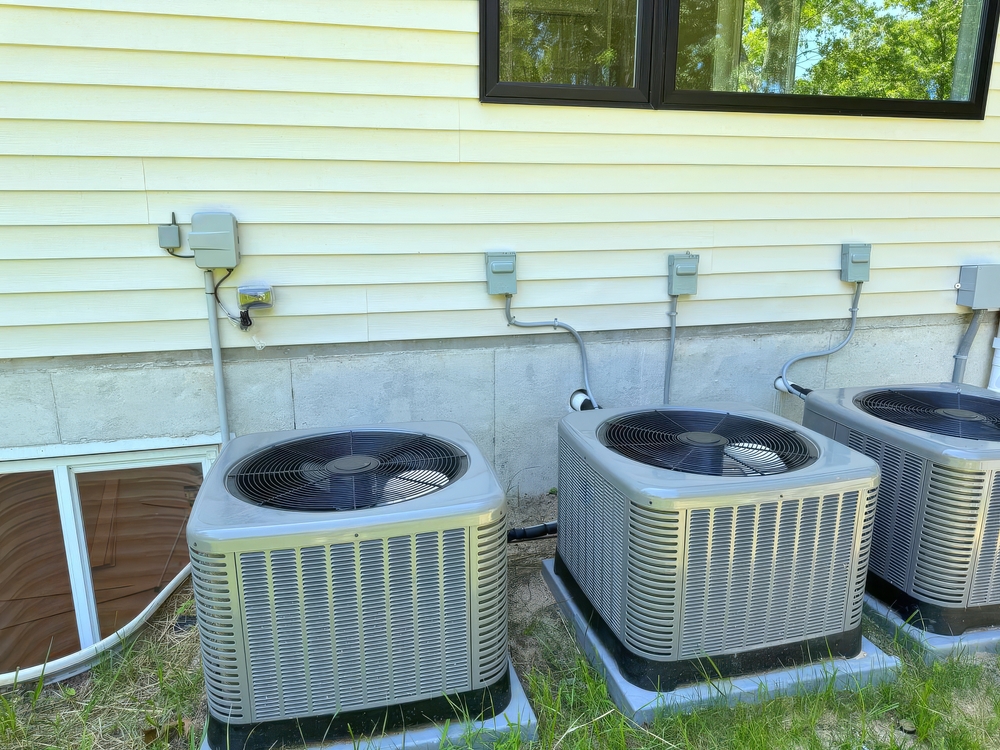
In Florida, an air conditioner works harder than it does in most parts of the country. Long cooling seasons, high humidity, salt in coastal air, and frequent afternoon demand all put steady pressure on motors, coils, capacitors, contactors, and drain components. That is why homeowners asking how long does AC unit lasts in this climate are asking a practical question, not a casual one. They are trying to understand when their system is still worth repairing and when age, wear, and operating cost start pushing the numbers in a different direction.
For South Florida homes, the average lifespan is shaped less by the model name on the cabinet and more by how the system has been maintained, how often it runs, how clean the airflow path stays, and how well moisture is managed across the year. Systems from Trane, Carrier, Lennox, Goodman, Rheem, American Standard, York, Amana, Bryant, Daikin, Mitsubishi Electric, LG, and Bosch can all perform well, but Florida conditions shorten the margin for neglect. That is why AC unit lifespan Florida conversations usually come back to one thing: the difference between equipment age and equipment condition.
What Is a Realistic Lifespan for an AC Unit in Florida?
In many Florida homes, a central AC system may last around 10 to 15 years, though some units fall short of that and others stretch beyond it. Climate is a major reason. A system in West Palm Beach or Boca Raton often runs far more hours than one in a milder inland market. More run time means more wear on electrical parts, blower components, and compressor operation.
Lifespan also depends on the installation itself. A well-sized system with strong duct design, steady airflow, and clean refrigerant performance usually holds up better than a unit that was oversized, poorly installed, or left without regular service. In 2026, more contractors are also tying system life to static pressure testing, because airflow restriction can shorten equipment life faster than many homeowners realize.
Age by itself does not tell the whole story. A 12-year-old system with good maintenance may still have useful life left. A 7-year-old unit with recurring airflow issues, coil neglect, and repeated electrical strain may already be aging faster than it should.
Florida adds more annual run hours
Long cooling demand means compressors, blowers, and controls stay under load for more months of the year.
Installation quality matters early and late
Sizing, refrigerant setup, and duct performance affect both day-one efficiency and long-term wear.
Condition matters more than the sticker date
Two systems installed in the same year may age very differently depending on maintenance and airflow quality.
Why Florida Climate Changes the Lifespan Equation
Florida air is warm and wet for much of the year. That means the AC is not just lowering the temperature. It is also pulling moisture out of the indoor air. That added moisture load keeps the evaporator coil wet more often, increases drain usage, and puts more stress on airflow performance. Once airflow starts slipping, humidity control often slips with it.
Coastal conditions add another factor. Salt in the air can speed up corrosion on outdoor coils, exposed metal, terminals, and cabinet surfaces. That does not mean every coastal unit fails early, but it does mean regular inspection carries more value in places like Delray Beach and Wellington than many homeowners expect.
This is also where routine service becomes a lifespan issue, not just a comfort issue. A tune-up that costs around $99 to $200+ may help spot wear before it becomes a repair. Once a component fails, repair costs can climb into the $266 to $385 range for general AC work, with some items rising higher depending on parts and labor.
Humidity keeps the system working harder
Moisture removal is a daily part of cooling in Florida, and that adds stress to the equipment.
Salt air can speed corrosion
Outdoor units near the coast often need closer coil and electrical inspection over time.
Drain performance affects more than water flow
Blocked or stressed drain systems can trigger shutdowns and point to deeper airflow or coil problems.
What Makes One AC System Last Longer Than Another?
Maintenance is still one of the biggest factors. A system that gets regular service usually has a better shot at longer life because technicians can catch weak capacitors, dirty coils, drain issues, and blower buildup before those issues start dragging performance down. A maintenance plan around $240 per year for two visits often costs far less than repeated reactive repairs.
Airflow is another major factor. Low airflow does not just reduce comfort. It can increase coil stress, reduce heat transfer, and make the system run longer to hit the target temperature. In 2026, smart thermostat calibration is also showing up more in lifespan discussions because poor sensor accuracy and bad cycle control can cause unnecessary wear over time.
Indoor cleanliness matters too. Filters that stay dirty too long, blower sections that collect buildup, and ducts that leak or restrict airflow all change how hard the system has to work. Lifespan usually reflects how much hidden strain the unit has been carrying for years.
Routine service catches wear earlier
Electrical drift, coil buildup, and drain trouble often show up before a homeowner notices them.
Airflow protects the entire cooling cycle
When airflow stays in range, the system can cool and dehumidify with less strain.
Control accuracy affects run time
A thermostat that cycles poorly can keep the equipment working harder than needed.
When Repair Still Makes Sense
Homeowners often reach a point where they ask how long an AC unit lasts because repairs are starting to show up more often. That does not always mean replacement is the next step. A unit that is still within a reasonable age range, has a sound compressor, and has not developed chronic airflow or coil issues may still be worth repairing.
Smaller repairs often include thermostat replacement in the $150 to $450 range, capacitor or contactor replacement in a similar range, or a service call to diagnose a performance issue before it gets worse. In many cases, those repairs still make financial sense if the rest of the system is operating in a stable range.
Repair becomes more debatable when the system has repeated refrigerant issues, major coil corrosion, compressor strain, or rising repair frequency across multiple seasons. That is where refrigerant leak detection becomes especially important. A unit that keeps losing charge may cool again after service, but the underlying problem may already be telling a bigger story about long-term value.
Lower-cost electrical repairs may still be reasonable
If the main system is sound, replacing a weak capacitor or thermostat can still be a practical move.
Repeated refrigerant issues change the math
Chronic leakage or major coil problems often point to a larger decision.
Repair history matters
One or two isolated repairs are different from a pattern of rising service frequency year after year.
When Replacement Starts Making More Sense
Replacement usually becomes a stronger option when the system is older, less efficient, and asking for more money while giving less comfort. If the unit is nearing or past the upper end of normal Florida lifespan and the homeowner is already dealing with humidity issues, uneven cooling, higher electric use, or repeated repairs, replacement becomes easier to justify.
A full system replacement in Florida often ranges from about $2,500 to $12,000+, depending on size, efficiency, and installation conditions. That is a much larger spend than a repair, so homeowners naturally delay it. Still, there comes a point when putting more money into an aging system no longer protects comfort or budget.
For Comfortly Air Conditioning, most work is residential, which means homeowners often care about more than machine performance alone. They care about cleaner work habits, respect inside the home, shoe covers, and a crew that leaves the service area tidy. That matters more during a replacement decision because the job affects the home directly.
Age and repair pattern start aligning
Once an older system keeps needing work, replacement often becomes easier to defend.
Comfort may keep dropping even after repairs
An aging system can still run after service, but fail to control temperature and humidity well.
Operating cost becomes part of the decision
Long run times and lower efficiency can turn an old unit into an expensive one to keep.
How Homeowners Can Help a System Last Longer
The simplest way to support a longer life is to stop waiting for obvious failure. Monthly filter checks, seasonal tune-ups, drain awareness, and attention to airflow changes can all help catch trouble early. Most systems do not fail all at once. They usually leave clues first.
Homeowners should also pay attention to how the house feels, not just what the thermostat says. If airflow weakens, some rooms start cooling more slowly, or the house feels damp late in the day, those are signs to schedule a check. Lifespan is not only about years. It is also about how well the system performs during those years.
Check filters before they become airflow problems
Filter neglect is one of the most common ways systems get forced into harder operation.
Use seasonal maintenance as a planning tool
Two service visits a year can help spot wear before summer demand peaks.
Take early symptoms seriously
Longer run times, weak cooling, or higher humidity often appear before a larger repair shows up.
A proper inspection can help show if the unit still has useful life left or if replacement is starting to make more financial sense. Call Comfortly Air Conditioning to schedule a service today!
Local HVAC FAQs Expert Answers, Local Insights
How long does a central AC system usually last in Florida?
Most central AC systems in Florida last around 10 to 15 years. Heavy run time, humidity, salt air, and maintenance habits all affect where a unit lands in that range.
Does maintenance really change AC lifespan?
Yes. Regular service helps catch airflow issues, coil buildup, drain trouble, and electrical wear before those problems shorten system life.
Should an old AC be repaired or replaced?
It depends on the unit’s age, repair history, cooling performance, and condition. A system with repeated issues may be closer to replacement than repair.
Can coastal air shorten equipment life?
Yes. Salt in the air can increase corrosion on outdoor coils, terminals, and metal parts, especially in homes closer to the coast.
What is one early sign that lifespan may be declining?
Longer run times with weaker comfort are a common early clue. If the system works harder but cools less effectively, wear may already be building.
Customer Reviews
Reliable AC Repair in Palm Beach County, FL

Get Started with Comfortly Air Conditioning
Stay cool and breathe better with expert air conditioning and indoor air quality solutions. Schedule your consultation today.