




5 Signs Your HVAC System Needs Repair
Request FREE Estimate

Once you submit, we may reach out to you via phone, email, or text to fetch information, which you can opt out of at any time. We will never share your personal information with third parties for marketing purposes. Consent is not a condition of purchase. Message/data rates apply.
Terms and Conditions | Privacy Policy
5 Signs Your HVAC System Needs Repair
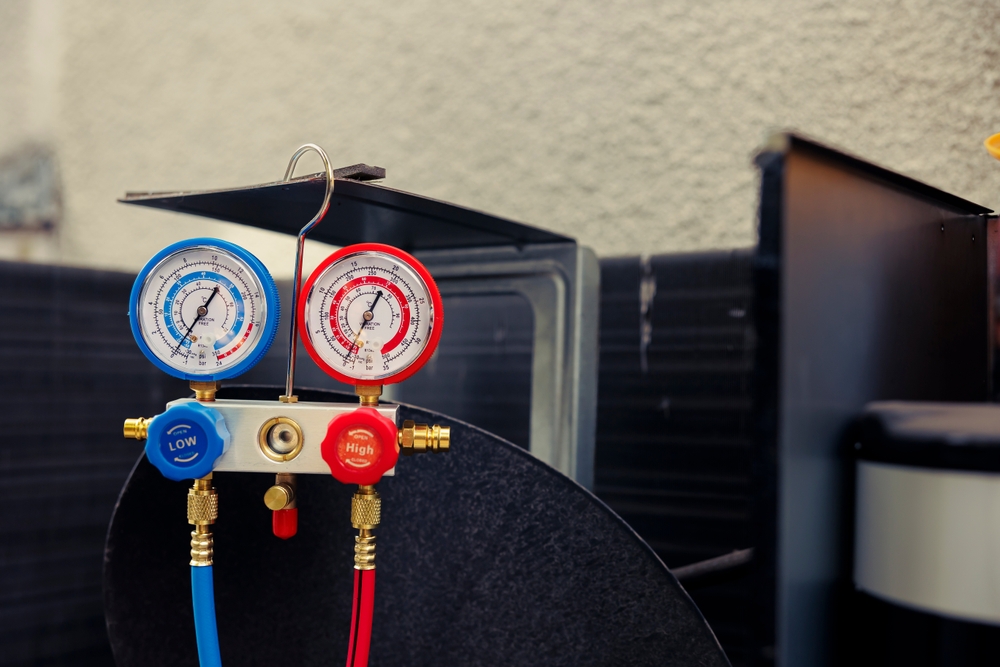
Most HVAC systems do not stop working without warning. They usually leave a trail first. Cooling gets uneven. Airflow drops. Humidity starts hanging around longer than it should. A thermostat setting that worked last month suddenly does not feel right. Those early changes matter because they often show up before a part fails and before a routine service call turns into a bigger repair.
For homeowners trying to spot HVAC system repair signs, timing matters. Catching a problem early can help limit strain on parts like capacitors, contactors, blower motors, and coils. In South Florida, that matters even more. Systems in West Palm Beach, Boca Raton, Boynton Beach, Delray Beach, and Wellington run hard for long stretches of the year. Heat, humidity, and coastal air all push equipment harder. That is why the signs HVAC system needs repair should never be brushed off as a small comfort issue.
Why Early Repair Signs Matter More in South Florida
In Palm Beach County, HVAC equipment does more than cool the home. It also helps control indoor moisture. Once airflow drops or a coil starts losing efficiency, comfort can fall off fast. Homeowners may notice sticky indoor air, longer run times, or rooms that cool at different speeds. That often points to declining system performance, not just a hot week outside.
For brands like Trane, Carrier, Lennox, Goodman, Rheem, American Standard, York, Amana, Bryant, Daikin, Mitsubishi Electric, LG, and Bosch, the same rule applies. If a system is showing stress, a professional check matters more than waiting for a full shutdown. A diagnostic visit often runs around $80 to $200+, while a general AC repair may cost around $266 to $385. Once electrical failure, coil trouble, or refrigerant issues enter the picture, costs often rise.
Long cooling seasons increase wear
South Florida systems stay active for much of the year. That adds more run hours to motors, capacitors, and contactors than many homeowners realize.
Humidity exposes weak performance faster
A system can still blow cool air while struggling to remove moisture. That is often one of the first warning signs.
Small symptoms can become larger repairs
A weak capacitor, blocked drain, or dirty coil may not shut the unit down today, but all three can lead to a bigger service call if ignored.
1. Weak Airflow Starts Showing Up at the Vents
One of the clearest HVAC system repair signs is weak airflow. Homeowners usually notice it first in a bedroom, office, or back section of the home where the supply air feels softer than usual. The system may still sound normal, but the air coming from the vents no longer feels strong enough to cool the room at the same pace.
This kind of drop can point to several issues. A clogged filter is one possibility, but it is not the only one. Blower wheel buildup, a failing blower motor, duct leakage, static pressure problems, or evaporator coil restriction can all reduce airflow. In 2026, more contractors are also using static pressure testing to find deeper airflow issues that basic inspections can miss.
Airflow problems tend to build slowly. That is why homeowners sometimes adjust the thermostat lower instead of addressing the real issue. That only makes the system run longer and adds more stress.
Some rooms cool more slowly than others
Uneven delivery is often the first sign that airflow is no longer balanced across the home.
The system runs longer without better comfort
Lower airflow often means longer cycles and weaker temperature pull-down during hot afternoons.
The blower section may be part of the problem
Dust buildup, motor strain, or wheel imbalance can all affect how much air the system can move.
2. Short Cycling Starts Happening More Often
Short cycling means the HVAC system turns on and off more often than it should. Instead of running through a normal cooling cycle, it starts, shuts off, then starts again before the home has fully stabilized. This is one of the signs HVAC system needs repair that homeowners tend to notice through sound and pattern rather than temperature alone.
Short cycling can come from thermostat issues, oversized equipment, low refrigerant, electrical trouble, dirty coils, or control board faults. It also increases wear because start-up is one of the most stressful moments for the system. Capacitors and contactors do not like repeated starts under load.
This matters for comfort, too. Short cycles often mean the home cools in bursts without enough run time to manage indoor humidity well. In South Florida, that leaves the house feeling cool and damp at the same time.
The system turns off before the house feels stable
This is a common clue that the cycle is ending too soon.
Start-up parts take more strain
Frequent on-off cycling increases wear on capacitors, contactors, and motors.
Humidity control often gets worse
A short cycle may lower the temperature briefly but still leave moisture behind in the indoor air.
3. Warm Air or Low Cooling Output Replaces Normal Performance
A system does not have to stop completely to be in trouble. Sometimes it still runs, but the cooling output drops. Air from the vents may feel lukewarm, or the home may cool far more slowly than it used to. This is one of the most common HVAC system repair signs during peak season.
There are several possible causes. Refrigerant loss is one. Dirty evaporator or condenser coils are another. A failing compressor capacitor, airflow restriction, or metering issue can also lower cooling capacity. In 2026, service work, refrigerant leak detection has become even more important because homeowners often miss the early signs and only react once cooling has clearly fallen off.
Low cooling output often shows up alongside longer run times and rising utility use. If a system is staying on far longer but not delivering the same comfort, something is already off in the operating cycle.
Vent air feels less cool than normal
That does not always mean complete refrigerant loss, but it does point to reduced system performance.
The thermostat setting stops matching the room
A home may stay above the target temperature for hours even though the equipment keeps running.
Coils and refrigerant behavior both matter
Poor heat transfer and charge-related issues can both drag down cooling output.
4. Moisture, Water Around the Unit, or Indoor Humidity Starts Rising
In South Florida, moisture-related issues should never be dismissed. If water is collecting near the indoor unit or the home starts feeling damp even while the AC is running, that is one of the strongest signs the HVAC system needs repair. It usually points to a drain problem, airflow problem, coil issue, or poor latent performance.
Condensate drains handle a lot of moisture in this climate. Once a line starts clogging, a float switch may shut the system down, or water may begin collecting in places it should not. A dirty evaporator coil or low airflow can worsen the moisture problem. Some homes also need smart thermostat calibration when indoor comfort complaints are being driven by poor cycling or off-target sensing.
Moisture issues are more than comfort issues. They can affect ceilings, walls, and flooring near the air handler, and indoor air quality over time.
Water near the air handler needs attention fast
That usually points to a blocked drain, backed-up pan, or safety shutoff issue.
Sticky indoor air is a warning sign
If the house feels damp, the system may not be removing moisture the way it should.
Drain health is part of system health
Drain trouble often sits alongside airflow or coil performance issues, not as a separate problem.
5. Unusual Sounds or Electrical Symptoms Start Showing Up
A healthy system makes noise, but the pattern is familiar. Once that pattern changes, it deserves attention. Clicking, buzzing, rattling, humming, or harder-than-usual starts can all point to wear inside the equipment. These are often the signs HVAC system needs repair that show up right before a no-cool call.
Electrical components are common culprits. A weak capacitor can make start-up rough. A worn contactor may chatter or fail to pull in properly. Loose panels or blower imbalance can also create abnormal sound. Sometimes the problem sits in the outdoor unit. In other cases, it starts in the indoor blower section or control side.
Comfortly Air Conditioning works mostly in residential homes, where homeowners notice these changes early because the home environment changes with them. Clean work habits, respect for the space, and careful diagnosis still matter because repair visits are not just about replacing a part. They are about finding the real cause before the symptom comes back.
Buzzing can point to electrical strain
Capacitors, contactors, and wiring issues often show up through sound before failure.
Rattling may mean loose hardware or imbalance
Panels, blower components, or outdoor hardware can all create vibration when something shifts.
Hard starts should not be ignored
If the system struggles to start, electrical parts may already be weakening under load.
For homeowners across West Palm Beach and nearby service areas, early repair attention can help limit downtime and keep a smaller issue from becoming a much larger one. Call Comfortly Air Conditioning at 561-786-8622 to schedule repair services.
Local HVAC FAQs Expert Answers, Local Insights
How much does it usually cost to diagnose an HVAC problem?
A diagnostic or service call often falls between $80 and $200+, depending on the company and the issue being checked.
Can short cycling damage an HVAC system?
Yes. Frequent starts add more strain to electrical parts and can shorten the life of components tied to system start-up.
Is weak airflow always caused by a dirty filter?
No. Filters are one cause, but blower issues, duct leakage, coil restriction, and pressure problems can also reduce airflow.
When should a homeowner call for 24/7 service?
If the system stops cooling during extreme heat, trips repeatedly, leaks heavily, or shows strong electrical symptoms, emergency service may make sense.
Can repair signs show up even if the unit is still running?
Yes. In fact, many repair signs show up while the system is still operating, which is why early diagnosis matters.
Customer Reviews
Reliable AC Repair in Palm Beach County, FL
Get Started with Comfortly Air Conditioning
Stay cool and breathe better with expert air conditioning and indoor air quality solutions. Schedule your consultation today.